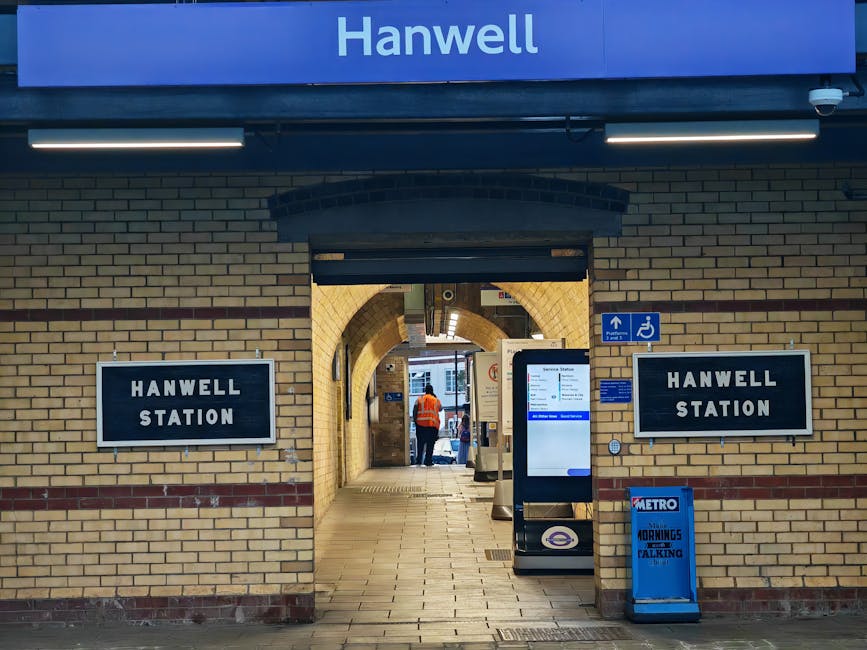
Station access guide for cleaners at West Kensington station
Posted on 28/05/2026
If you clean in and around West Kensington station, the difference between an easy job and a stressful one often comes down to access. Not the cleaning itself, oddly enough, but the little things around it: where to arrive, how to carry kit, what to do if the route is busy, and how to avoid wasting time before you even start. This Station access guide for cleaners at West Kensington station is designed to make those jobs smoother, safer, and far more predictable.
Truth be told, station-side cleaning work can be deceptively fiddly. There are staff-only areas, narrow pavements, peak-time crowds, luggage, weather, and the usual London "I'll just squeeze past" energy. If you know the access flow in advance, you save energy for the real work. You also look more professional, which matters whether you are handling one-off domestic work, recurring office cleaning, or a more detailed service in nearby flats and commercial properties.
This guide breaks down what station access means in practical terms, why it matters, how to prepare, and what cleaner teams should do before they arrive. Along the way, we'll also point you toward a few useful local resources, including the services overview, the health and safety policy, and the insurance and safety guidance, because access and safety tend to go hand in hand.
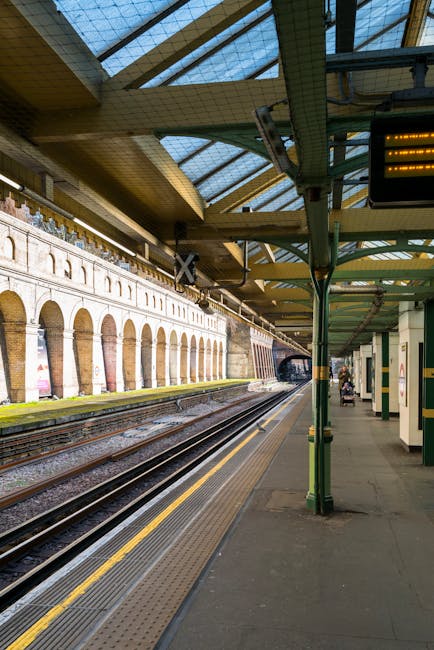
Why station access matters for cleaners at West Kensington station
For cleaners working in the West Kensington area, station access is not just a logistics detail. It affects punctuality, safety, customer confidence, and how smoothly the rest of the visit goes. If you arrive flustered, dragging equipment, or trying to work out a route on the pavement while traffic builds behind you, that stress tends to spill into the job.
The area around a busy station brings a few predictable challenges. People move quickly, pavements can narrow at the worst moments, and access routes can change depending on works, events, or general foot traffic. A cleaner who understands the access pattern is usually calmer, quicker, and better prepared. Simple as that.
It also matters because many cleaning tasks in the area are time-sensitive. End-of-tenancy cleans, office cleans before opening hours, and one-off deep cleans often run to a schedule. If access takes longer than expected, the whole booking can feel rushed. That is not ideal for anyone, especially when good cleaning work depends on unhurried detail.
There is also a trust angle. Clients notice when a cleaner arrives ready, knows where to go, and does not need hand-holding for every step. That confidence is part of the service. If you are interested in how that service is positioned more broadly, the West Kensington cleaners W14 area page and the about us page offer useful context.
Expert summary: Good station access planning saves time, reduces stress, and supports safer, more professional cleaning visits. Around West Kensington, that usually means planning for busy foot traffic, carrying kit smartly, and confirming arrival details before setting out.
How station access works in practice
At a practical level, station access for cleaners means understanding how you get from your point of arrival to the property or worksite with the fewest delays and the least risk. That might sound obvious, but in real life it involves several small decisions. Which entrance is easiest? Can you bring equipment in one trip? Is there a lift nearby? Is the route better before the morning rush?
In many jobs, the cleaner is not actually working inside the station. More often, the station is simply the nearest landmark or transport hub. The point is to make the arrival process efficient. If you are cleaning a flat, a retail unit, or an office close to the station, the route from station to door matters a lot more than people expect.
A tidy process usually looks something like this:
- Confirm the exact address and entrance details before travelling.
- Check whether the client expects you to meet someone, call on arrival, or self-access the building.
- Plan the most practical route from the station, especially if you are carrying equipment.
- Allow a few extra minutes for local congestion or awkward entry points.
- Keep a simple backup plan in case your first route is blocked or inconvenient.
That last point is the bit people often skip. Then, naturally, the day becomes a bit more interesting than planned. A backup route does not need to be elaborate. It just needs to exist.
If the job is connected to office cleaning in West Kensington, the access process may be even more important because opening hours, reception arrangements, and building entry rules can affect the start time. For residential work, the details are different but the principle is the same: know the route, know the entry point, and know who is expecting you.
Key benefits and practical advantages
Good access planning gives you more than convenience. It supports the quality of the cleaning itself. When you arrive with the route already sorted, you can start calmer, set up faster, and use your energy where it counts.
- Better punctuality: You are less likely to arrive late because you have already allowed for local delays.
- Less physical strain: Carrying vacuums, cloths, bottles, and tools is easier when the route is short and sensible.
- Cleaner first impressions: Clients see a professional who is organised, not someone still trying to work out the front door.
- Reduced risk: Fewer unnecessary detours can mean fewer slips, trips, and awkward lifts.
- Smoother handovers: It is easier to coordinate with receptionists, tenants, landlords, or office managers when you are not rushed.
There is also a subtle benefit that rarely gets mentioned: better rhythm. Once a cleaner has arrived without friction, the whole visit tends to flow more naturally. You unpack, assess, and begin. No faffing about, no lost momentum. That sounds small, but it really adds up over a week.
For some customers, station access is part of a bigger decision about what type of service they need. If that sounds familiar, the pricing and quotes page can help you compare service expectations before booking, while the request a quote page is the next sensible step when you already know what kind of clean you need.
Who this is for and when it makes sense
This guide is useful for several kinds of readers, and not just cleaning staff. If you are a cleaner, it helps with planning. If you are a client, it helps you understand why arrival instructions matter. If you manage bookings for a property or office, it helps you give cleaner, clearer directions. Handy, really.
It makes the most sense when the job is near West Kensington station and access is likely to be part of the challenge. That could include:
- regular domestic cleaning in nearby flats
- one-off deep cleans after events, tenancy changes, or renovation work
- office cleaning with early starts or locked-building access
- carpet or upholstery cleaning where equipment needs careful handling
- end-of-tenancy work where timing and entry instructions matter a lot
If you work in the area often, the station is usually just one part of a familiar route. If you only visit occasionally, though, it is worth slowing down and checking the access details properly. That applies whether the property is on a main road, in a converted building, or tucked away behind a courtyard.
For homeowners and tenants, the same advice applies in reverse. If you are booking a clean and want the visit to go smoothly, make the access instructions plain. Not long. Just plain. A short message with entry notes is often enough to save a lot of back-and-forth later on.
Readers looking for broader local context may also find the insider's look at life in Kensington useful, especially if they are trying to understand the flow of the area before scheduling visits.
Step-by-step guidance
Here is the simplest way to think about station access planning for a cleaner heading to West Kensington. Keep it practical. Keep it repeatable. And do not rely on memory alone if the job matters.
1) Confirm the destination before you leave
Check the exact address, the building name if there is one, and the contact number. Small mistakes here can cost a surprising amount of time. If a property has multiple entrances or sits on a side street, make sure you know which one to use. The difference between a front entrance and a service entrance can be huge.
2) Check the access method
Will you be let in by a resident, receptionist, concierge, or client? Is there a key safe? Is there a buzzer system? Can you self-enter? These details shape everything else. If the building has rules about visitors or service providers, it is better to know early than guess at the doorway.
3) Plan the carrying load
Think about what you are bringing with you. One small bag is easy. A full kit with vacuum, mop, chemicals, cloths, and spare supplies is another matter. If the route from the station to the property includes stairs, tight pavements, or multiple doors, pack accordingly. A lighter load, or a wheeled option, may save your back. No heroics needed.
4) Allow buffer time
London access rarely behaves perfectly. A platform pause, a crowded pavement, or someone stopping right in the middle of a narrow passage can all add a few minutes. Build that in. Even a ten-minute buffer can stop a minor delay becoming a full headache.
5) Arrive, check, and then begin
Once you reach the property, do not rush straight into cleaning without a quick check of the space, the entry route, and any visible hazards. Look for wet floors, loose rugs, poor lighting, or awkward trip points. If anything feels off, pause and make a note. That moment of care matters.
6) Record what worked
After the job, note what made access easy or awkward. A side entrance that is always open. A buzzer that takes ages. A stairwell that is fine with a lightweight trolley but not with a heavy vacuum. These little notes become gold dust over time.
Expert tips for better results
Experienced cleaners tend to build a few habits that make station-area jobs much easier. Nothing flashy. Just solid routines that keep them out of trouble.
- Use a standard pre-visit message: Ask for entrance details, access codes, and the best arrival point in one go. That way you are not chasing three separate bits of information later.
- Keep kit modular: Split supplies so you only carry what you genuinely need for that job. It sounds basic, but less weight often means better speed and fewer mistakes.
- Know your peak times: If you can arrive slightly before the busiest periods, do it. The walkway feels different at 8:15 than it does at 10:30.
- Leave room for reality: If your route is usually fine but sometimes awkward, treat the awkward version as the default. That keeps you honest.
- Ask better questions: Instead of "How do I get in?", ask "Which entrance is easiest with equipment?" That tiny shift often gets better answers.
One very practical tip: if a building has a lift, do not assume it is usable for your kit or available at all times. I know, obvious on paper. In the moment, people forget. Then the vacuum gets marched up three floors like it has offended everyone personally.
For larger or repeated bookings, a broader service plan can help. The domestic cleaning service and the house cleaning page are good examples of how routine visits benefit from consistent access instructions, while the deep cleaning service is often where access planning really earns its keep.
Common mistakes to avoid
Most access problems are not dramatic. They are just preventable. That is the annoying part, to be fair. But the good news is that once you know the usual mistakes, they are easy to dodge.
- Assuming the nearest station exit is the best one: Sometimes the shortest route on a map is the worst route with equipment.
- Not confirming whether the property is residential or commercial: Entry rules can be very different.
- Carrying too much in one trip: One overloaded journey is often slower than two lighter ones.
- Forgetting weather conditions: Rain changes pavement safety, kit handling, and arrival time. London drizzle loves to make a small job annoying.
- Skipping a contact number: If the buzzer fails or the front door is locked, you need a fallback quickly.
- Ignoring local context: Nearby events, road works, or busy school-run periods can make a perfectly normal route awkward.
There is also a temptation to overcomplicate things. You do not need a full transport strategy every time. Sometimes you just need better instructions and a clearer message thread. That is enough.
Clients booking more specialised work such as carpet cleaning, upholstery cleaning, or end of tenancy cleaning should be especially careful with access details, because these jobs often involve bulkier equipment, tighter timelines, or extra property handovers.
Tools, resources and recommendations
You do not need a complicated toolkit to manage station access well, but a few simple tools and habits can make a real difference.
| Tool or method | Why it helps | Best for |
|---|---|---|
| Saved access notes | Keeps entrance, buzzer, and contact details in one place | Repeat clients and regular routes |
| Lightweight kit setup | Reduces strain and makes station-to-door travel simpler | Jobs with stairs, narrow paths, or longer walks |
| Pre-visit confirmation message | Catches missing details before they cause delays | First-time bookings and off-hours access |
| Backup contact number | Helps when the first entry method fails | Locked buildings and timed arrivals |
| Simple route planning | Helps avoid crowds, awkward stairs, and unnecessary detours | Any station-adjacent job, really |
For service planning and customer-facing details, the services overview is a useful starting point. If you want to understand how the team approaches work quality and job readiness, the health and safety policy and insurance and safety information are also worth reading.
And if you are comparing booking options or preparing a regular cleaning schedule, the spring cleaning service can be a helpful option for a more thorough reset, especially after a busy season or a move.
Law, compliance, standards and best practice
Access planning sits close to safety, so it is worth handling it carefully. Without pretending every job needs a legal lecture, cleaners and clients should still think about basic duties around safe working, property entry, and personal security. In the UK, the exact obligations can depend on the type of premises, the working arrangement, and whether the job is domestic or commercial.
Good practice usually includes the following:
- confirming that the cleaner has legitimate permission to enter the premises
- making sure access instructions are clear and up to date
- avoiding unsafe carrying practices that could cause trips or strains
- respecting building rules, reception procedures, and key handling arrangements
- keeping client information and access details private
If a building has specific rules for contractors or service providers, follow them. If the route involves public areas, be mindful of pedestrians and luggage. If you are using chemicals or heavier equipment, keep your load stable and your hands free whenever possible. Common sense? Yes. But common sense is often the first thing to go when people are in a hurry.
For organisations with repeated bookings, aligning access procedures with a written policy can help reduce confusion. That is one reason support pages such as the terms and conditions, privacy policy, and accessibility statement matter in the wider customer journey. They help set expectations in plain language.
Options, methods and comparison table
There is no single perfect way to handle station access. The best method depends on the job type, the amount of equipment, and how often you visit the same location. Here is a straightforward comparison of common approaches.
| Access method | Advantages | Possible drawbacks | Best use case |
|---|---|---|---|
| Walk from station with hand-carry kit | Simple, flexible, low setup time | Can be tiring with heavier loads | Smaller domestic visits, light-touch cleans |
| Wheeled trolley or compact kit bag | Reduces carrying strain, keeps tools organised | Can be awkward on stairs or uneven paving | Routine jobs with moderate supplies |
| Pre-arranged building entry | Fastest once coordinated, good for repeat work | Relies on accurate communication and timing | Offices, managed flats, and timed arrivals |
| Meet-and-greet handover | Useful for first-time access and key collection | Requires punctuality on both sides | Initial bookings and one-off services |
For most cleaners, the sweet spot is a simple mix: light kit, confirmed entry, and a sensible buffer. No drama, no overengineering. Just a route that works.
Case study or real-world example
Imagine a cleaner booked for a two-bedroom flat near West Kensington station, with a start time just before lunch. On paper, the job looks straightforward. But the cleaner has a vacuum, several bottles, cloths, and a few specialist products to carry. The client has also mentioned that the building entrance is shared and can be a little confusing for first-time visitors.
Instead of arriving and hoping for the best, the cleaner checks the access note the day before. They confirm the building name, ask which entrance is easiest, and request a phone number in case the buzzer is not obvious. On the day, they allow extra time, arrive without rushing, and take the route with the fewest stairs. Nothing fancy. It just works.
The result? The cleaner starts on time, sets up quickly, and does not spend the first ten minutes with a slightly strained smile trying to find the right doorway. The client gets a calmer, more professional visit. Everyone wins, and honestly, that is the whole point.
That kind of planning is especially useful for jobs listed as one-off cleaning in West Kensington, where the cleaner may not know the building layout in advance. It is also a good habit for work in nearby streets, including places covered in the cleaning guide for flats on Lillie Road.
Practical checklist
Use this checklist before a station-adjacent cleaning job. It is short on purpose.
- Have I confirmed the full address and the correct entrance?
- Do I know whether the property is residential or commercial?
- Have I checked how I will get in, and who will let me in?
- Do I have a backup contact number?
- Is my kit light enough for the route I am taking?
- Have I allowed extra time for crowds or delays?
- Do I know if there are stairs, lifts, or restrictions on carrying equipment?
- Have I packed only the supplies I actually need?
- Have I reviewed any health and safety notes for the job?
- Have I saved the access details for next time?
If you can answer yes to most of those, you are probably in good shape. If not, sort the missing pieces before you travel. It saves headaches later.
Conclusion
Station access might seem like a small part of a cleaning job, but around West Kensington station it can shape the whole experience. The cleaner who arrives prepared, knows the route, and understands the entry process is usually the cleaner who works faster, safer, and with less stress. That is true for domestic jobs, office visits, and more specialist services too.
The main lesson is simple: make access part of the plan, not an afterthought. A few minutes spent on route details, entry notes, and kit choices can save a great deal of time on the day. And when you are working in a busy London area, those minutes matter more than people think.
For readers who want a broader sense of the company and service approach, the contact page is there when you are ready to ask about a booking, and the article on whether Kensington is a desirable place adds useful local perspective too. Sometimes context is half the battle.
Get a free quote today and see how much you can save.
And if you are planning your next visit already, take a breath, check the access notes, and set yourself up for an easier day. Little things, done well, make all the difference.